


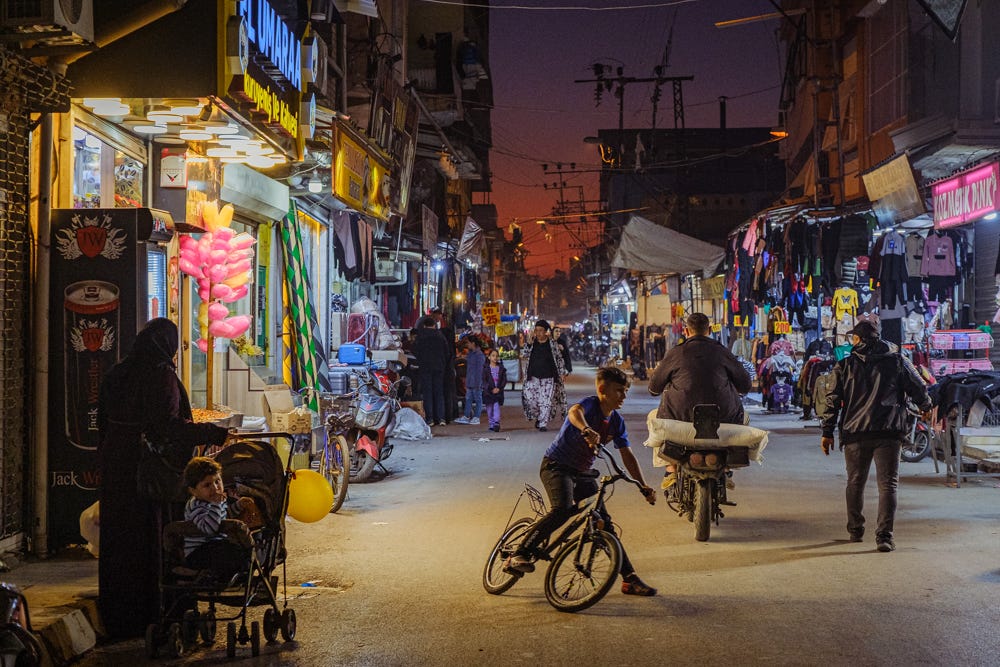
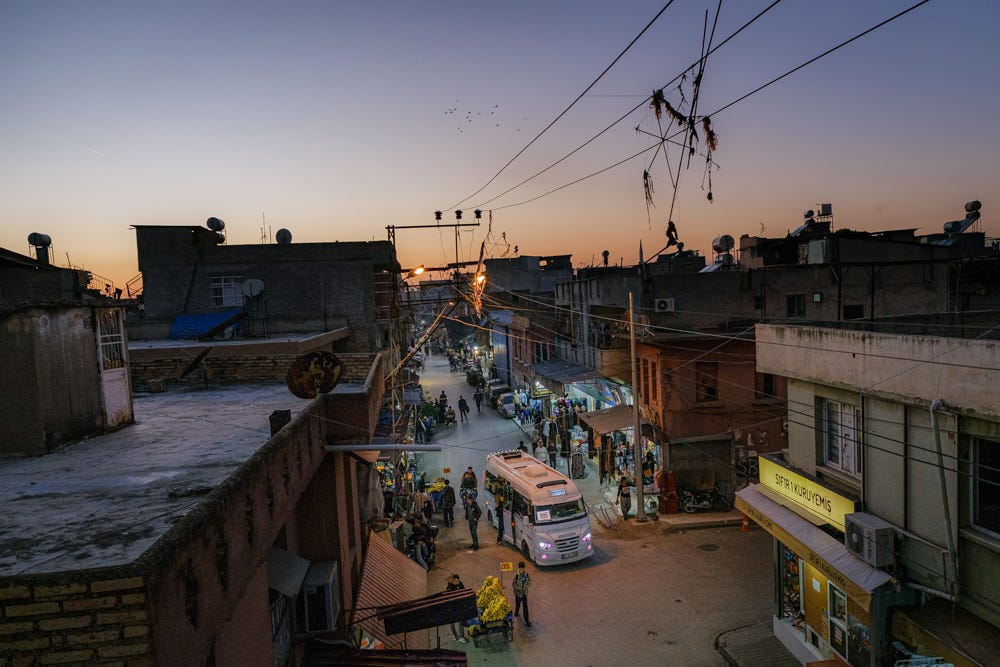
ADANA—A long, narrow, color-splashed street gets bustling as the sun sets. It’s called Mirza Çelebi Sokak on Google Maps, but since the 2011 outbreak of the Syrian war, locals have come to know it as ‘Little Aleppo’.
Once a neglected area near Adana’s old city center, the neighborhood took on a new identity as a home and source of livelihood for thousands of Syrians who fled the conflict.
Here, calls from Arabic coffee sellers, honks from the maroon and teal metal tuk-tuks and casual conversations collide with the sudden squeal of brakes from electric scooters, some of which carry up to five people, including babies and small children.
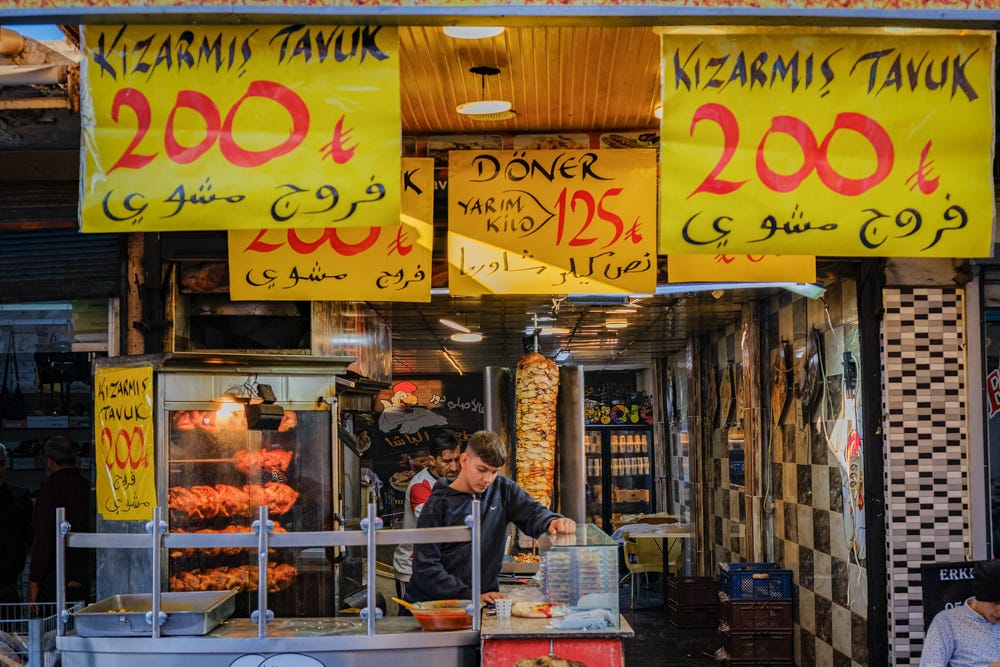
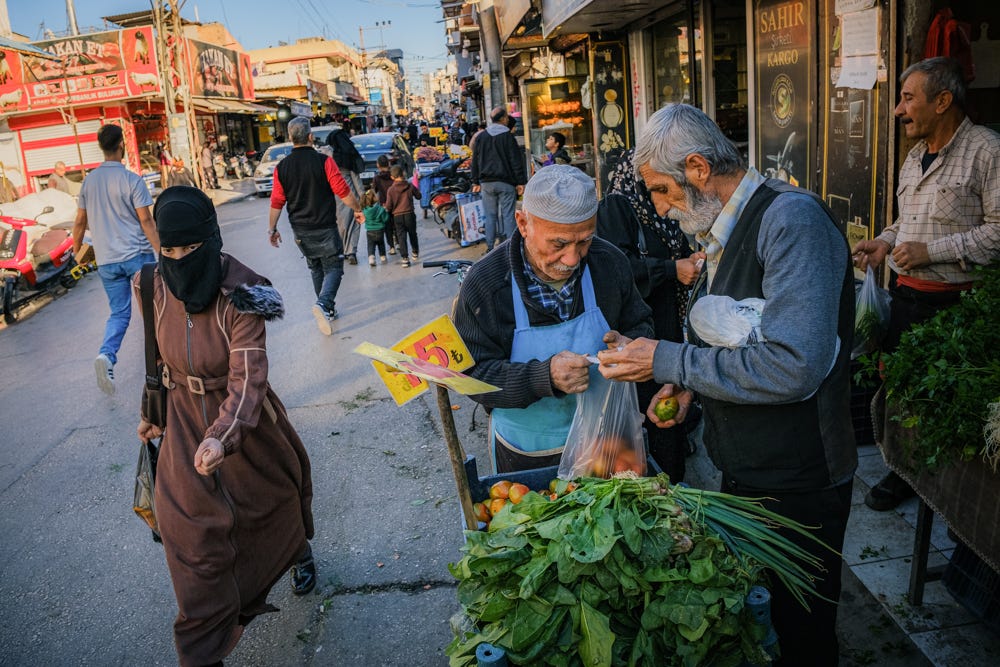
The street is lined with chicken roasters, falafel wrappers, gold dealers, spice vendors, phone repair shops, clothing stores, bakeries and beauty parlors managed by Syrians, creating a home away from home, just a 10-minute drive from the modern Adana city center.
Today, one year after the war ended and Pres. Bashar al-Assad fled the country, many refugees remain hesitant to move back to Syria, often citing security and infrastructure concerns.
The question of whether to move back is most difficult for young Syrians who grew up, studied and worked in Turkey—and must now weigh their future prospects on both sides of the border.
Among them is Ahmed Diyab, a 28-year-old from Idlib who runs a shop in Little Aleppo. He said post-war reconstruction will take years and prefers to wait for living conditions to improve before moving. His father, who owns a home in Syria, was less patient.
“Assad fell on a Sunday, and we celebrated here all day. The next day, my father left for Syria. He couldn’t wait any longer,” Diyab said with a smile.
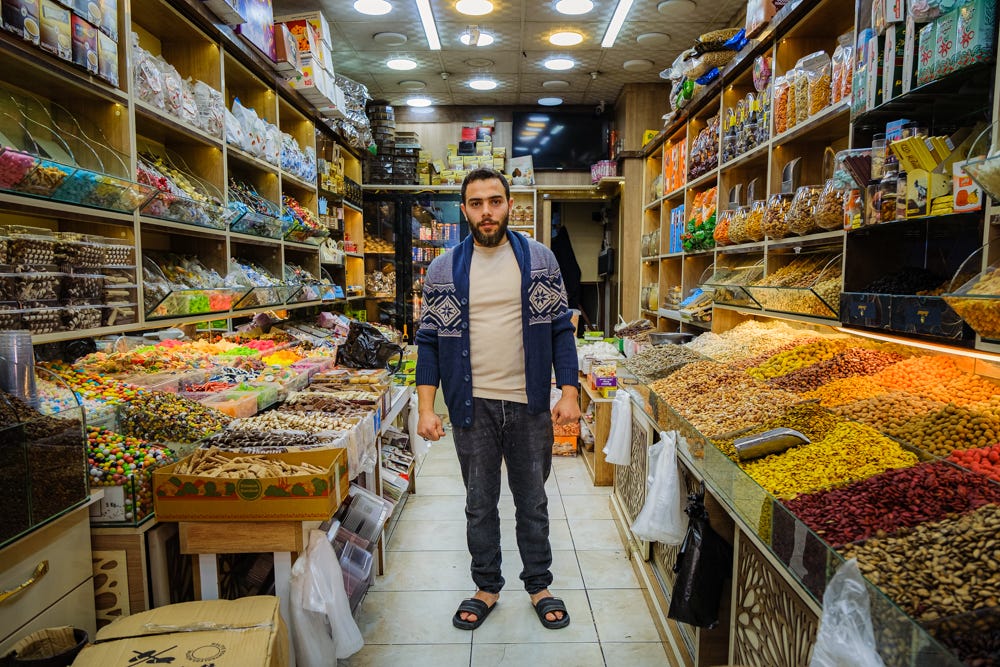
Ahmed Diyab
Diyab’s decision is more complicated, with implications for his two children and wife, whom he met in Turkey. He worked hard to get the security his family enjoys today.
Having fled Syria at age 15, he was the first of his family to leave, and was later joined by his parents, siblings and cousins. When asked why he chose Adana, he said it’s a large, southern city near Syria that he thought would offer the most work opportunities.
And work he did, in textile sweatshops like hundreds of thousands of Syrians in Turkey, until his brother opened the sweets and nuts shop in Little Aleppo. He also went to a school for Syrians in Adana in the early morning, finishing high school in Turkey.
He said he’d like to further his education in Syria, but this depends on Syrian Pres. Ahmed al-Sharaa’s capacity to establish more stability there.
“We’re thinking of returning to Syria when things become more settled, maybe this summer,” Diyab said. “When we return, I want to continue my education to become a kindergarten teacher.”
More than numbers
Many Syrians are making similar calculations based on the pace of reconstruction. Yet, according to a World Bank report from October, the total cost of Syria’s infrastructure damage is estimated to be $216 billion.
Progress on reconstruction, along with efforts to revitalize Syria’s economy through the removal of remaining sanctions on the country, are key considerations for Syrians weighing their options in Adana and beyond.
In total, there were over 2.9 million Syrian refugees in Turkey last December, according to the Interior Minister. The ministry’s latest data from November indicates there are currently over 2.3 million Syrians residing in Turkey—meaning more than half a million have left in one year.
Similar dynamics exist in Adana, which hosts Turkey’s fourth-largest Syrian population after Istanbul, Gaziantep and Şanlıurfa.
According to data shared by Turkey’s Interior Ministry in May, 203,871 Syrians lived in Adana. In early December, the number of Syrians under temporary protection in the city fell to 180,552, according to Adana Gov. Yavuz Selim Köşker.
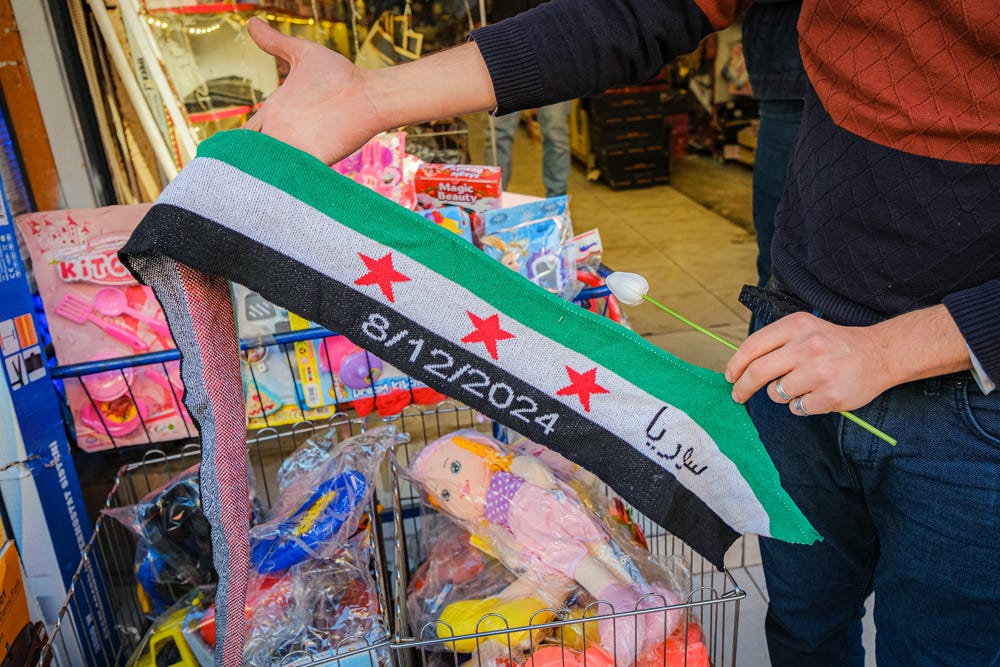
The change is not yet visible in Little Aleppo. Süleyman Akdeniz, one of the few Turkish shop owners in Little Aleppo, said most Syrians in the area are in some kind of limbo.
“Many of them want to stay but are wishing Turkey would give them citizenship after so many years here. They are worried about the armed gangs and possible re-escalation of conflicts if they return,” Akdeniz said. “Their children were born and grew up here. They built lives here.”
Akdeniz went on, explaining that all his workers are Syrian, and nearly all his friends have become Syrians. He is sad to see them leave, even at relatively small rates.
“The street hasn’t changed much since Assad’s fall,” he said. “It’s still very crowded.”
Remembering his childhood in the Adana neighborhood, Akdeniz recalls that the area was a dangerous place that he avoided entering before Syrians relocated there.
“After the Syrians arrived, they turned it into a vibrant marketplace,” he said.
That shift is echoed in the stories of younger Syrians who now call the street home.
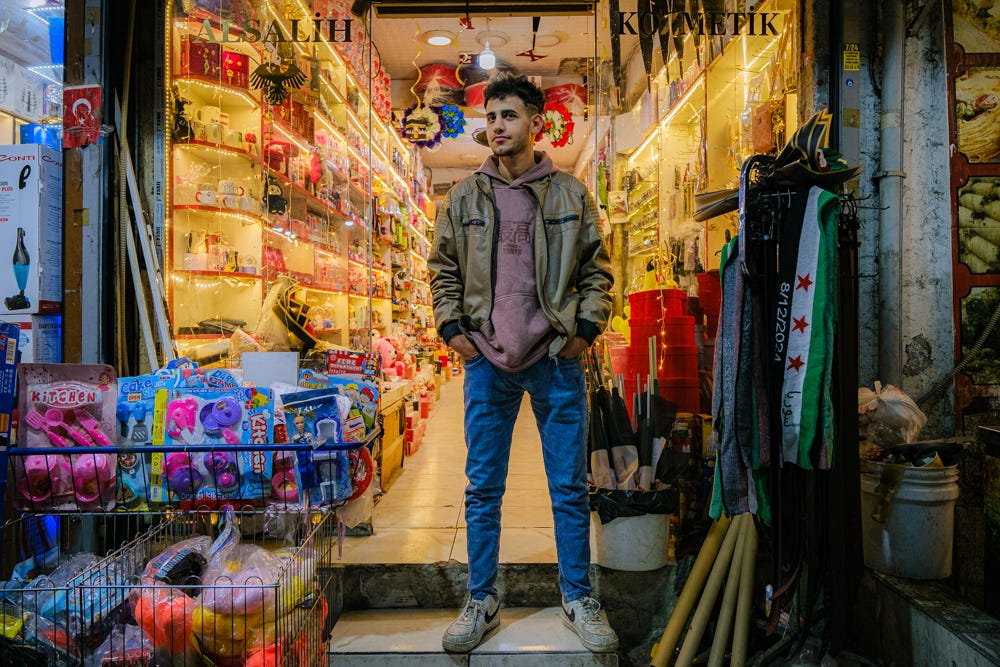
Saleh Debbes
When he was seven years old, Saleh Debbes moved to Adana from Aleppo with his parents. He remains the anchor among his family members who prefer to stay in Turkey.
“My parents would leave today, if they could,” he said. “But I like it here.”
He studied until high school among Turkish students and later started working in various knafeh (künefe) shops across the city. He watches Turkish soap operas regularly, listens to Turkish music and loves Adana kebab.
“Many of my girlfriends, including the one now, are Turkish,” he said. “My mother doesn’t want me to take her as my wife because she’s not wearing a headscarf.”
Explaining that even his dreams are in Turkish now, Debbes said that he doesn’t really know what awaits him in Syria, but feels in place here.
“After Assad fell, other conflicts broke out,” he said, referring to the clashes in the Alawite districts along the western coast in March and Druze-Bedouin conflicts in Sweida in July. “I told my mother: Look, it’s no time to return yet.”
Across Little Aleppo, the choices differ—some feel rooted here, others wait restlessly for a safer Syria, and many remain suspended between the two.
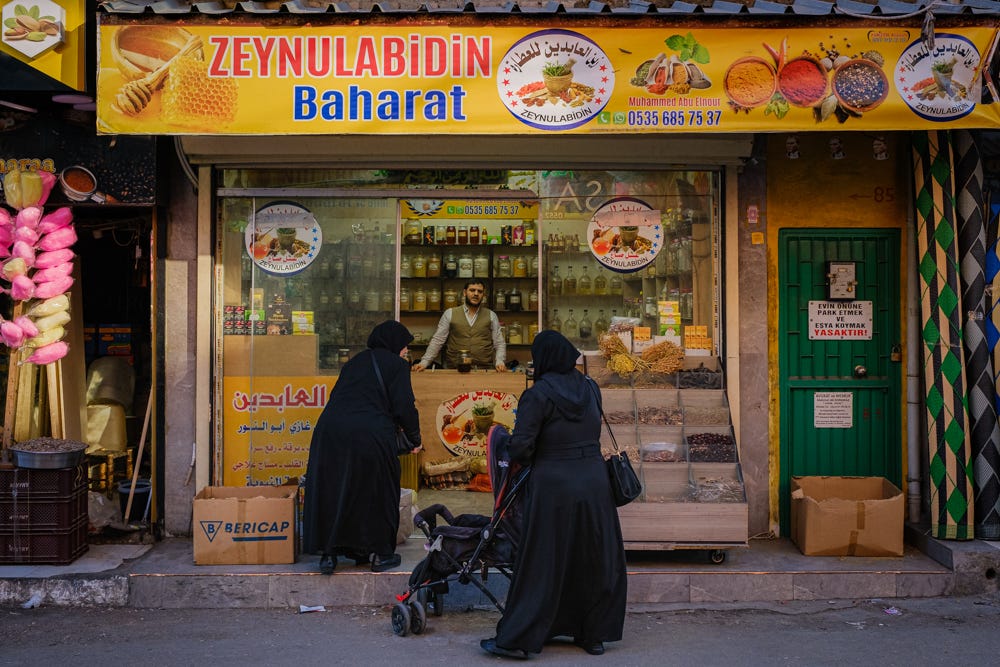
‘Wait-and-see’
Metin Çorabatır, president of Turkey’s Center of Asylum and Migration (IGAM), said many of the Syrians in Turkey are currently following a “wait-and-see” policy for their returns.
“The stability in Syria is not there yet. The Syrian government is having certain conflicts with the PYD from time to time,” he said of the Kurdish-led Democratic Union Party that controls parts of Syria’s north. “Israel is active in the south where the Druze are living. In Latakia, there’s still conflict with the Alewites. It’s not harmonious all around. There are still security concerns.”
He noted that decisions to return depend on where people come from and whether they have houses in place to go back to.
Çorabatır also underlined the concerns for daily life. Conveying that access to jobs, education and health facilities is still limited, he predicts that it may take a few more years for many families to make the decision to repatriate.
“Sometimes, part of the family returns to Syria and the ones who stay here work and send money to rebuild their lives back there,” he told Turkey recap.
Meanwhile, Syrians under temporary protection will be mandated to partially pay for health services and medicine starting on Jan. 1, the Official Gazette announced on Nov. 28.
Moreover, the government is also ramping up inspections against businesses that employ workers without insurance as well as mandates for business owners to pay for the workers’ deportation, Çorabatır said. He predicts the combined measures will increase the rate of returns.
Kamer Hezza
The growing pressure adds to the already uneasy calculus shaping Syrian families’ choices today. For example, Kamer Hezza, an 18-year-old from Deir Ezzor, has been living in Adana with her family since she was four.
She is part of a generation that has almost never known their home country. Hezza is also the eldest of five siblings, all who were born in Turkey though none have attended school, she said.
Hezza works in a textile sweatshop and her father works as a welder to contribute to the family income. Yet, consumer products are becoming more expensive, she noted, as high inflation continues to eat away workers’ salaries in Turkey, “but at least there’s work to do.”
“We love everything about Adana,” she said with broken Turkish, and adds that they don’t have plans to leave yet. “We don’t have a house in Syria, and there’s no source of livelihood yet. If we go there, life will be very hard.”
It will be difficult for local business owners, as well, as many have depended on Syrian labor for more than a decade.
For all the political and logistical factors shaping Syrian returns, Çorabatır said Turkey is about to face a labor vacuum, especially in sectors like welding, heavy industrial businesses, textiles and construction.
“Syrians had undertaken jobs that Turks didn’t really want to do. So, there will definitely be a major loss of labor force in those areas,” Çorabatır said.
Turkey recap is an independent, reader-supported newsletter that helps people make sense of the fast-paced Turkey news cycle. Contact us: info@turkeyrecap.com.
Subscribe here on Substack (or on Patreon for discount options). Paid subscribers get full access to our recaps, reports, members-only chat and news tracking tools.
We are an affiliate of the Global Forum for Media Development and aim to produce balanced news that strengthens local media by supporting journalists in Turkey.
Diego Cupolo, Editor-in-chief
Emily Rice Johnson, Deputy editor
Ceren Bayar, Parliament correspondent
Yıldız Yazıcıoğlu, Parliament correspondent
Günsu Durak, Stüdyo recap editor
Demet Şöhret, Social media and content manager