


This Valentine’s Day, the AKP is about to show us the power of gov. We direct newcomers to our favorite Turkey meme to see watts in the works.
In this week’s recap:
Regional security concerns revive EU-Turkey talks
New ministers signal more crackdowns ahead
Domestic and diplomatic wraps
Canned comms chief heading to Vatican?
Also from us this week:
Reha Ruhavioğlu outlines how Syria affects the PKK peace talks (in Turkish)
Nimet Kıraç on how slow job growth is stalling earthquake recovery in Hatay
It’s prime time to follow Turkish politics and, yes, we have a daily newsletter for that
EU-Turkey ties were defined by problems until larger problems took precedence. Meaning, Turkey’s stalled accession bid is getting compartmentalized into more manageable frameworks based on defense and trade cooperation as European leaders prioritize regional security.
The shift came Friday, personified in a meeting between Turkish FM Hakan Fidan and EU Commissioner for Enlargement Marta Kos, and verbalized in a joint statement reading:
“Both sides recognized that enhancing collaboration in areas of mutual interest, including security and connectivity, is of strategic importance in light of ongoing regional and global developments.”
Considerations driving the new approach include but are not limited to:
Washington’s reduced or, at least, ambivalent role in EU security
Dangerous wargame projections for a hypothetical Russian invasion in the Baltics
Turkey’s significant contributions to ongoing NATO military exercises in Europe
Ankara’s perennial reminders that it has options and remains BRICS-curious
Urgency has arrived after 12 years of war in Ukraine and 12 months of Trump 2.0. And like any last-minute dinner, a quick fix involves defrosting EU-Turkey relations, not with a microwave, but with promises of Customs Union modernization, more multiple-entry Schengen visas plus increased trade and connectivity.
“Preparing for peace and stability in Europe implies preparing a strong partnership with Türkiye,” Kos told Politico before the meeting last week.
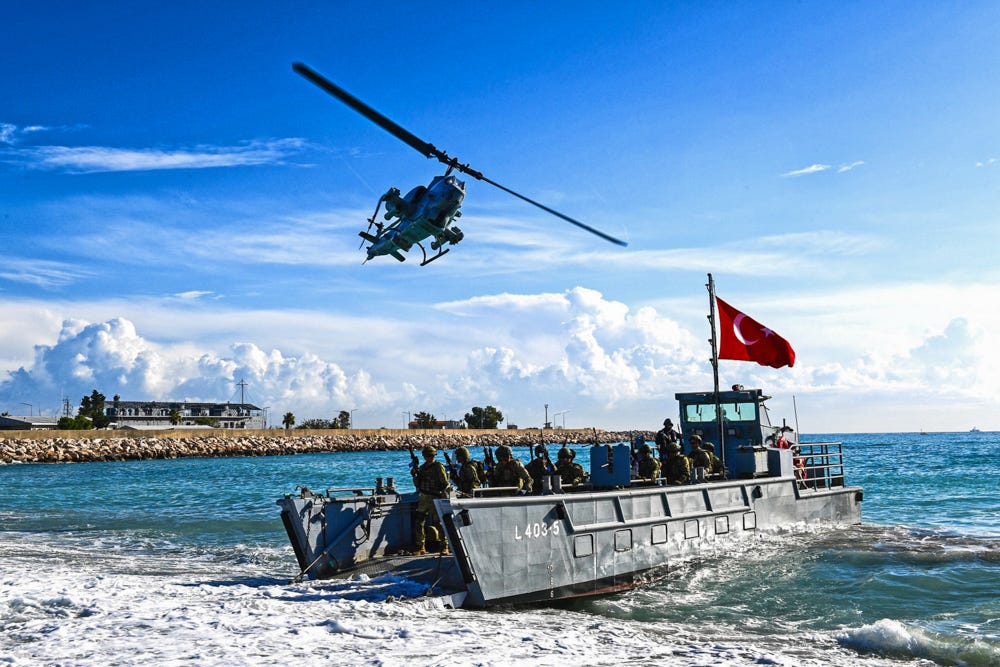
The imagery is impressive, too. NATO is holding Steadfast Dart 2026 drills in Germany with about 10,000 service personnel from 11 nations, including Turkey, which dispatched 2,000 forces and the TCG Anadolu navy ship with the 66th Mechanized Infantry Brigade inside.
Analysis: Taken together, the above developments signal the EU’s growing willingness to engage with Ankara beyond the accession framework, said Riccardo Gasco, foreign policy program coordinator at the IstanPol Institute and co-author of a recent report on just that.
“I think [accession] is being left out of the conversation on purpose right now because everyone knows that it doesn’t bring you anywhere,” Gasco told Turkey recap. “So they started to talk about different things.”
Those include bilateral defense deals instead of EU-wide initiatives like the SAFE program, he said, listing recent agreements between Turkish firms and Italy, Spain, Portugal and Poland. Yet, a potential downside of such fragmentation is the lack of an institutional mechanism to track bilateral deals, Gasco noted.
What happens next depends on the details of the current EU-Turkey thaw. Following the bloc’s recent trade agreements with Mercosur and India, Gasco said EU officials were almost obligated to visit Turkey and extend an offer focused on mutual needs.
“What I see [coming] is some small advancements in some select areas, which will maybe build a base to then open a serious discussion on the Customs Union,” he continued.
“But right now, this is a movie we have already watched, in a way. Whenever the European Union feels unable to deal with pressing issues, it reaches out to partners, right? And one of those partners is definitely Turkey.”
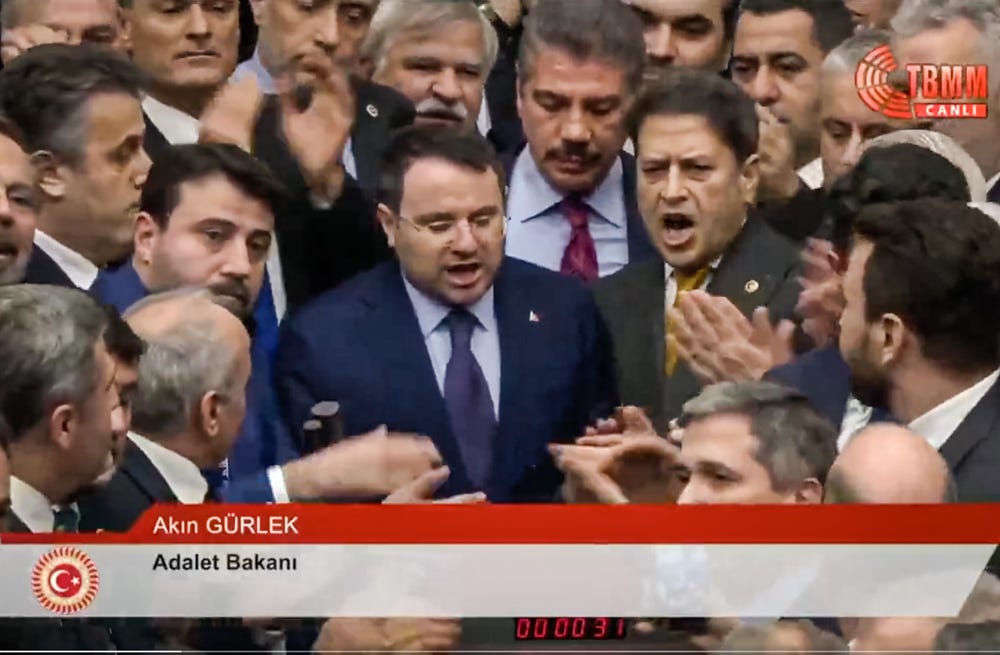
Clockwork Arraign: New ministers signal more crackdowns ahead
