


In times like these, some people minimize the risks while others meme-o-mize them: Where’s Mansur Yavaş?
In this week’s recap:
Opposition camps regroup, Kılıçdaroğlu digs in
Where key players stand on the CHP takeover
Domestic and diplomatic wraps
NATO’s future depends on Trump’s mood in Ankara
Also from us this week:
Noah Bonsey joined Recap radio to discuss Syria and SDF integration
Wouter Massink and Daniel Thorpe on Turkey’s fast-tracked mining boom
Diego Cupolo and Emily Rice Johnson respond to reader mail
Did we mention we’re throwing a party in Ankara and you’re invited?
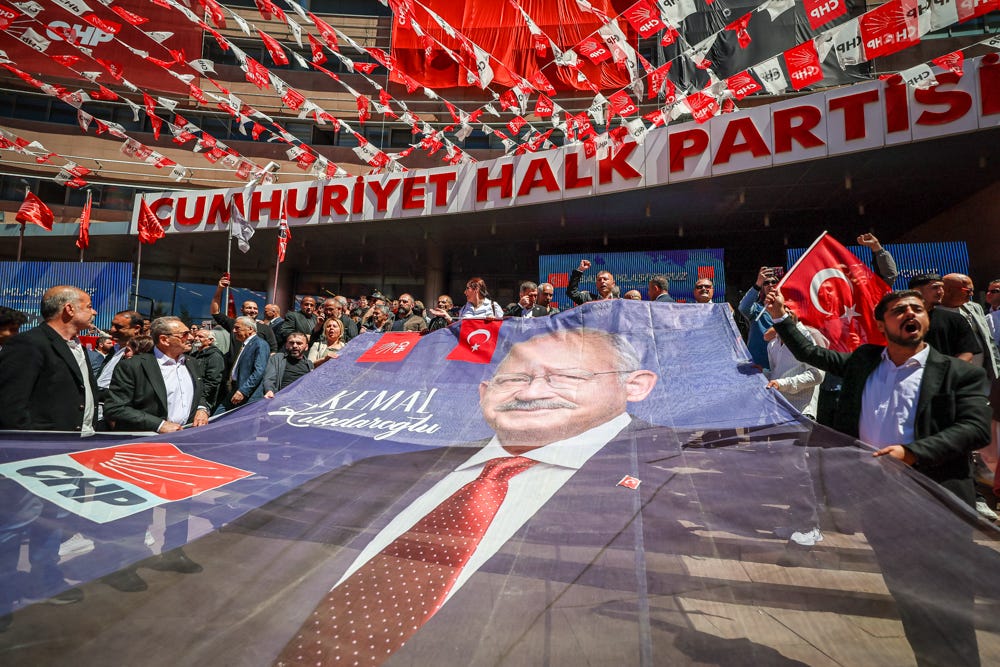
Okay, this is not your ordinary news cycle, and this is not your ordinary recap.
Since we last reported on street clashes following CHP head Özgür Özel’s ouster, Turkey’s main opposition party has essentially fractured into two camps and everyone’s trying to guess what comes next — including who will post next on the CHP’s official X account, which is dormant.
It’s a real mess, so in true Marie Kondo fashion, we’re going to compartmentalize the main developments and reactions, though we can’t guarantee they’ll “spark joy”:
Camp K: Re-instated CHP chair Kemal Kılıçdaroğlu took the stage at the party’s Ankara headquarters Saturday with anti-corruption slogans focused on “cleansing” the party of “bribery” and other immoral actions.
The narrative closely echoed MHP chair Devlet Bahçeli’s media comments three days earlier, and reinforced analyses that Kılıçdaroğlu’s return is part of an elite pact to eliminate effective opposition in Turkey, as Sinem Adar argued here.
Yesterday, Kılıçdaroğlu’s spokesperson said the official CHP chair would speak at the party’s next parliamentary group meeting, on Jun. 9, and convene a party council on Jun. 11, though both are subject to change, according to our CHP sources and Stüdyo recap reporting.
This comes as Kılıçdaroğlu continues to purge party staffers while unveiling a new 19-member central executive committee for the party.
Camp Ö: Former CHP head Özgür Özel led rallies in Izmir, Manisa and Ankara before speaking at this week’s CHP parliamentary group meeting.
Following a streak of street-level mobilization, Özel’s address Tuesday was oddly ordinary and uneventful — as in he brought picket signs to condemn PlayStation prices — before a packed and lively audience.
Since his removal, Özel has been campaigning for an immediate party congress to re-elect the CHP leadership. The prospects for a speedy convention remain unclear, though Özel’s spokesperson has argued the CHP may lose eligibility to participate in snap elections if a congress is not held this July.
On Wednesday, Özel had collected more than 850 signatures from the party’s 1,130 delegates to hold an extraordinary congress. Kılıçdaroğlu has said a congress would be held after the court of appeals issues a final ruling on the CHP case. Stay tuned for more reporting on this.
New party prospects: When asked if he would launch his own political party if he fails to retake the CHP leadership, Özel has repeatedly stated he prefers not to split the party, but it remains a possibility in a “worst-case scenario.”
An April survey by MetroPoll found 66 percent of CHP supporters would vote for Özel’s new party, while about 22 percent would stick with Kılıçdaroğlu. Across all parties, support for an Özel-led party was nearly 35 percent.
Speaking to Turkey recap this morning, Seda Demiralp, a professor of political science and chair of international relations at Işık University in Istanbul, said Özel’s camp will likely try all institutional and procedural avenues to win back the CHP leadership.
If Özel’s efforts fail, a new party should be expected by the end of 2026, Demiralp said.
“Özel’s popularity among CHP voters is very high,” she told Turkey recap. “Our recent research shows that about 70 percent of CHP voters state that they would vote for Özel’s new party if he founded one. Among these voters, the level of anger towards Kılıçdaroğlu matches the anger towards Erdoğan.”
She added that Özel may also be appealing to a “significant portion” of undecided/swing voters, adding this segment tends to be less concerned about CHP dynamics, and more frustrated about “the politicization of the courts, democratic backsliding and the economic costs of the whole process.”
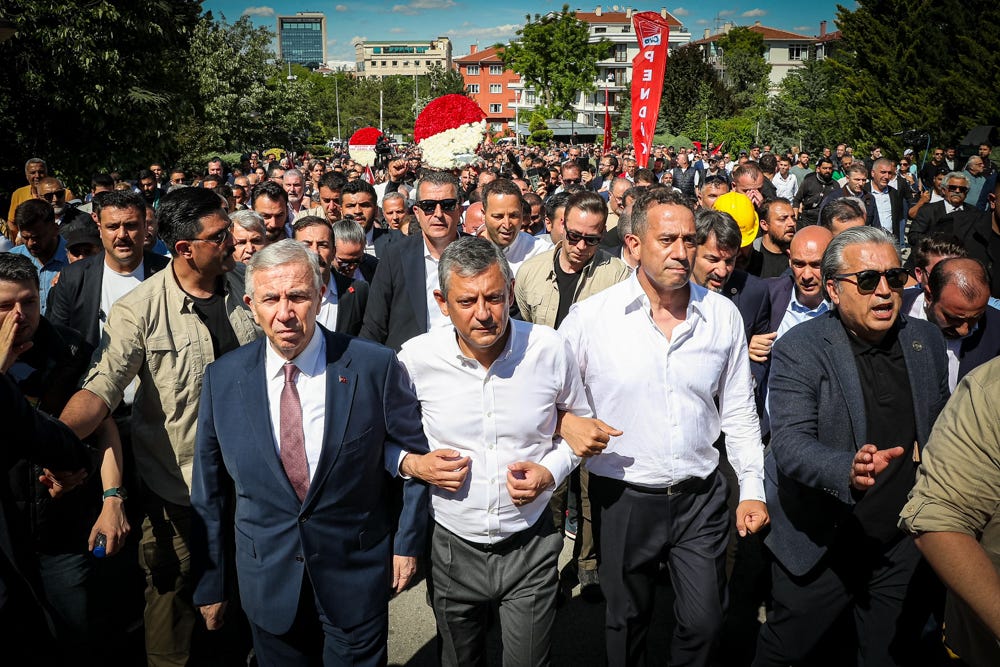
Vapid response: Where key players stand on the CHP takeover
