


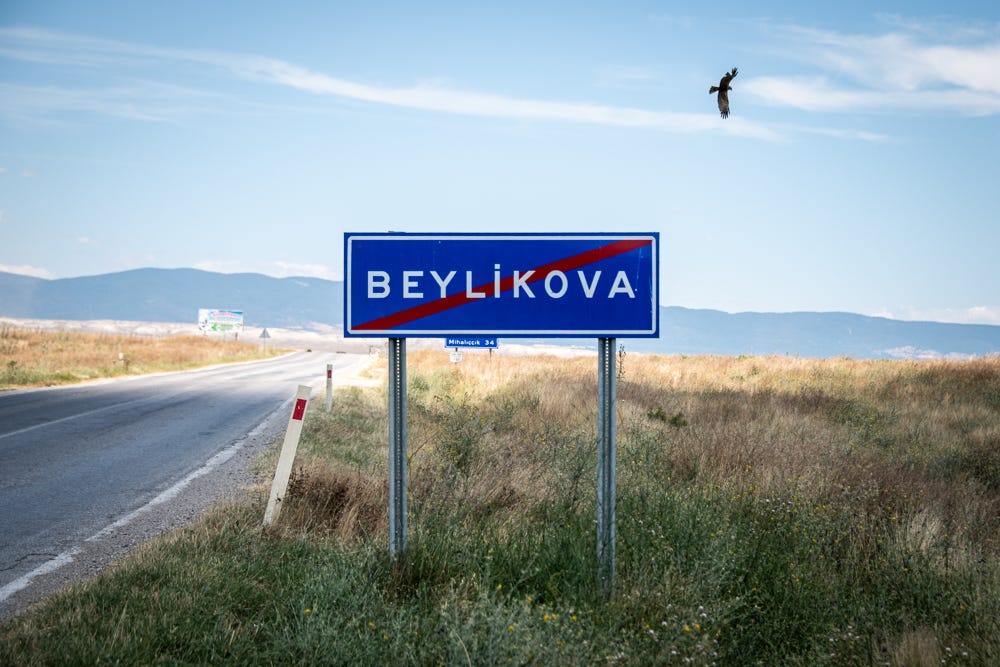
ESKIŞEHIR—On an eastbound railway from Istanbul, past a series of narrow mountain valleys, the Anatolian plateau opens wide, inviting Turkey’s high-speed trains to zip by the town of Beylikova.
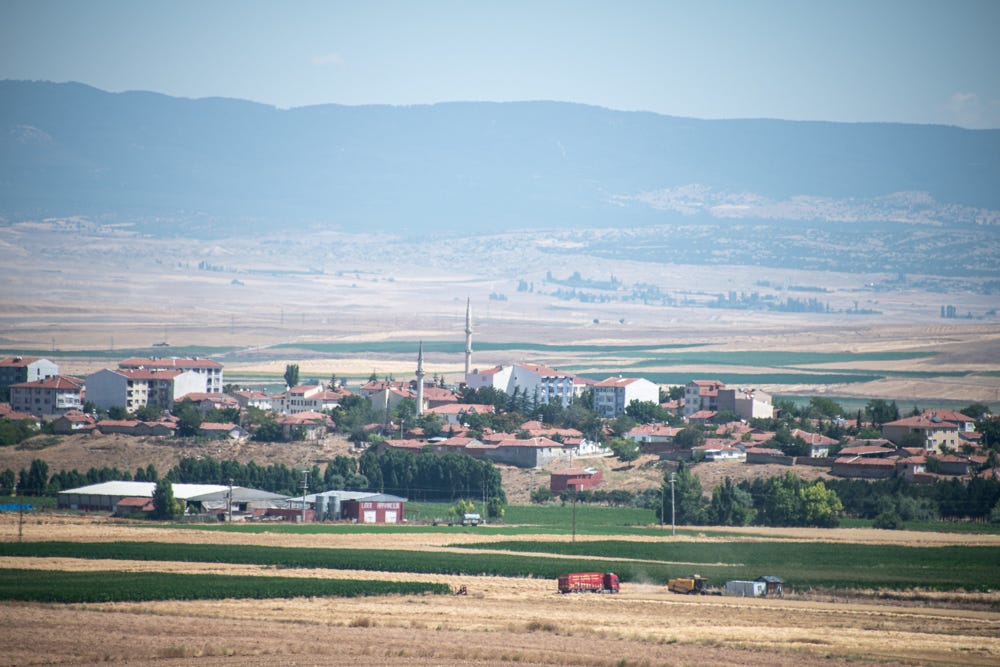
Apart from its farmers’ market on Fridays, this enclave of about 6,000 residents draws little attention from outsiders beyond the occasional glance from a train passenger. However, beneath Beylikova’s soil lies the fuel for a 21st-century geopolitical rivalry, placing this region on the front lines of the US-China race for resources.
Turkey’s Energy and Natural Resources Ministry estimates Beylikova’s untapped reserves hold up to 694 million tons of rare earth elements (REE)—critical minerals used in modern electronics and defense systems. If confirmed, the region would hold the world’s second-largest known deposits behind China.
Looking to secure Turkey’s spot in the supply chains of the future, the ministry launched a pilot program in 2023 to begin developing the Beylikova mines while courting international partners in the US and China.
At the same time, Washington has sought to counter Chinese dominance in global REE production. US Pres. Donald Trump is increasingly working to wean American supply chains away from Beijing, which has used export controls on REEs as leverage in the rivals’ intermittent trade wars.
Most recently on Jul. 20, Trump signed an executive order designed to encourage American defense industries to source critical materials “domestically or from allied nations” like Turkey.
This confluence of interests in REEs between Washington and Ankara could soon reverberate through the hills of Beylikova. Yet, while Turkish officials tout the new mines as an economic boon, locals and environmentalists remain unconvinced that the promise of new jobs will outweigh the radioactive risks and ecological degradation inherent to REE extraction.
“We don’t know what to expect if they make more mines, but we know it’s usually not good for the people living near the mines,” said Ruşan, a resident of Kızılcaören, a village of mostly retired farmers adjacent to the REE reserve area.
Speaking by a community fountain while soaping his car’s back window with a broom, Ruşan explained how the village used to get water from a spring up the hill, but that water source dried up when a rock quarry opened nearby.
“Now we pump our water from down the hill,” Ruşan said, as other villagers emerged from their hobby gardens and joined the conversation, nodding silently as he listed off the new mines operating in the area.
Eti Maden’s pilot project
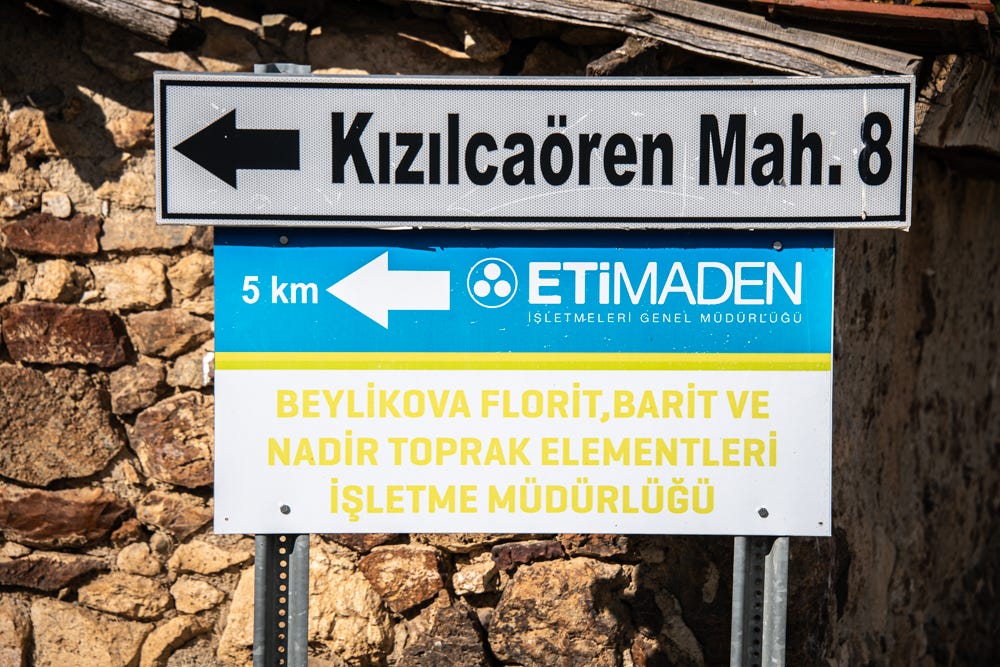
Down the road from Kızılcaören is the Beylikova Fluorite, Barite and REE Mining Directorate, a facility operated by the state-owned mining company Eti Maden. Inside, about 60 Turkish researchers study mineral isolation techniques, according to Beylikova Mayor Hakan Karabacak.
Meanwhile, work crews outside build a new complex to expand operations. When Turkey recap visited the site in July 2026, the foundation was laid for a new industrial facility that will house additional equipment for the ore refinement process.
Local mining samples have found REEs like lanthanum, cerium, praseodymium, samarium, gadolinium, europium and neodymium. Extracting such minerals often produces thorium, a mildly radioactive metal that’s also at the Beylikova site.
Due to the presence of thorium, Turkey’s Nuclear Regulatory Authority will oversee the establishment of “a long-term storage facility” for radioactive waste created in the refinement of REEs.
Radioactive risks
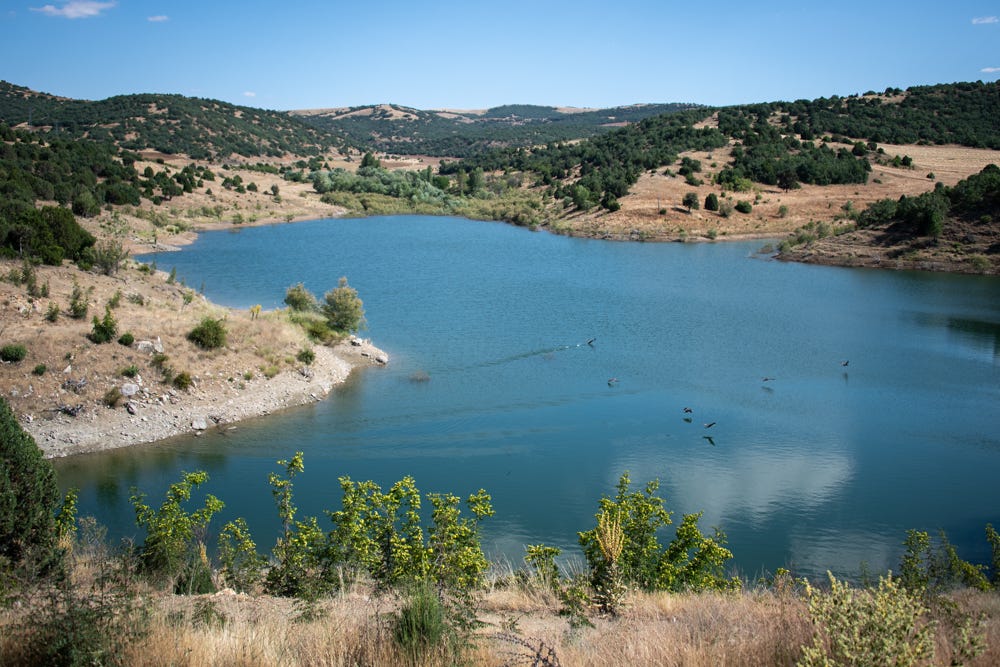
Environmental groups fear such a storage facility would involve a toxic tailings pond—an open pit designed to hold mining waste—that could potentially leak and contaminate local water sources.
Such risks can be heightened in REE production because despite their name, rare earths are rather common, but they exist in low concentrations. This requires mining operations to process vast amounts of soil to extract the valuable compounds, creating hazardous amounts of mining refuse in the immediate vicinity.
“[REEs] must be subjected to an extensive and arduous purification process,” Levent Büyükbozkırlı, a member of the Polen Ekoloji Kolektif, told Turkey recap. “This confronts us with the reality of massive toxic chemical usage, excessive water consumption and the contamination of that water with heavy metals and acids during the purification stage.”
Recent studies estimate that isolating one ton of rare earths produces 2,000 tons of toxic waste. Given Turkey’s ongoing deregulation drive to fast-track mining projects, critics argue the state is not taking the measures needed to safely dispose of large quantities of mining refuse.
To make their case, local mining opponents often juxtapose the 2024 collapse of the Iliç gold mine—which killed nine workers and released cyanide-laden waste into nearby rivers—against the fact 84 percent of mining project applications that year were exempted from comprehensive environmental impact assessments.
Unverified reserves
For Beylikova, the toxic waste risk depends on the concentration of REEs in soil, which has yet to be verified. Eti Maden has reportedly applied for international certification, but the process has yet to be finalized, which is why Turkey is not listed as a REE source in official catalogs like the US Geological Survey’s Mineral Commodity Summaries.
Without certification, it is difficult to forecast the opportunities and risks posed by REE development in Turkey, said Kathryn Goodenough, principal geologist at the British Geological Survey.
She visited the site prior to the pilot program and estimates 0.2 to 2 percent of the deposit is likely to be rare earth oxides, meaning roughly 1.4 to 14 million tons of the estimated 694-million-ton reserves might hold REEs. Though significantly less than state projections, the total would still place Turkey in the top 10 nations with proven REE reserves.
Regarding the site’s radioactive waste risk, Goodenough said it depends on how the minerals are processed.
“As I understand it, the main ore mineral at Kızılcaören is bastnaesite which is a rare earth- and fluorine-bearing carbonate mineral,” she told Turkey recap. “If the focus is on processing bastnaesite, then the tailings may be relatively low in radioactivity.”
Goodenough underlined that many steps remain for Beylikova to become a fully operational REE mine—a process that can take about a decade. And while official certification would help draw international investments, Goodenough said Turkey could also opt to develop the deposits with domestic funding.
Domestic benefits
Advocates for safeguarding Turkey’s strategic reserves have argued the nation’s domestic wind turbine and electric vehicle sectors provide a sufficient industrial demand base for Beylikova’s REEs and reduce the need for international investors.
The core issue is that Turkey lacks the technological capacity to process REEs, said Beylikova Mayor Karabacak, adding that negotiations with American and Chinese partners are ongoing.
Yet Karabacak, a member of the main opposition Republican People’s Party (CHP), stressed that maintaining sovereignty over mineral rights and keeping the economic benefits local took precedence over exporting raw materials for little gain.
“We want a factory to be established here, a job system to be provided here,” Karabacak told Turkey recap. “We want a solution to unemployment here.”
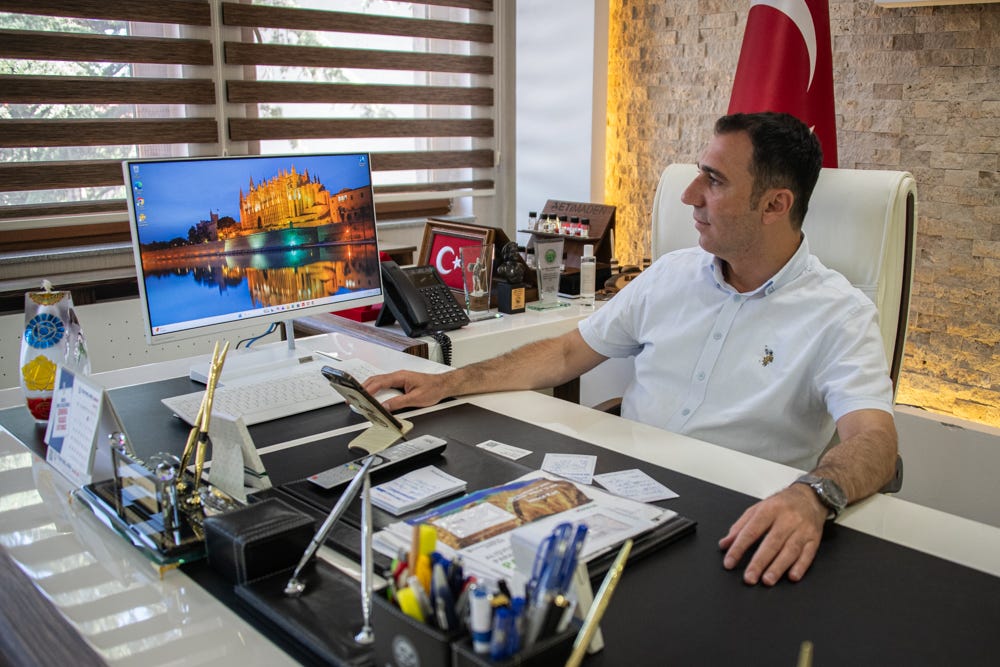
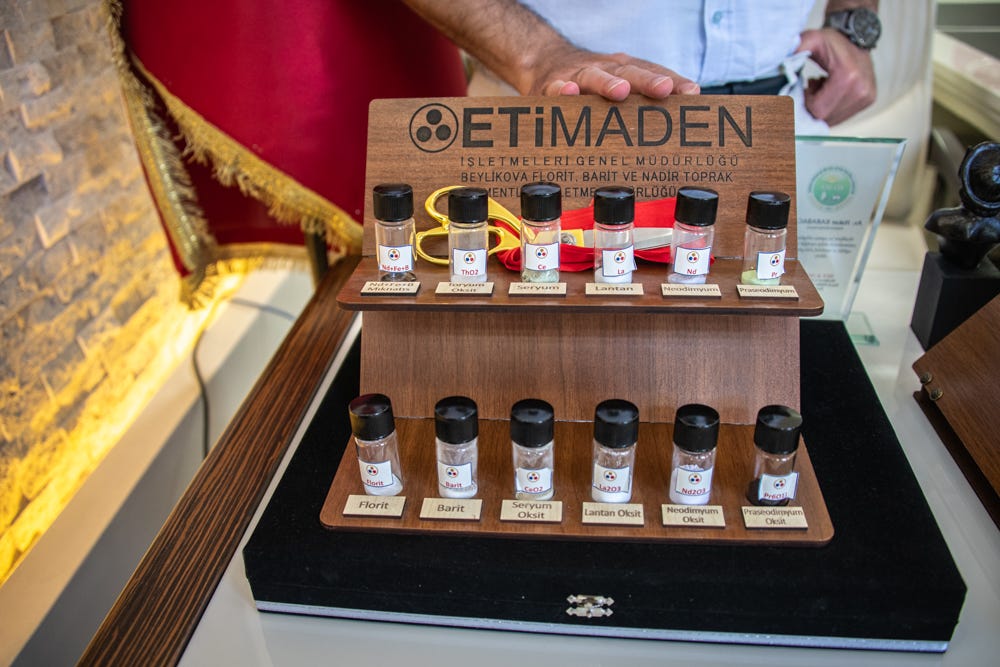
Mock samples of 12 rare earth minerals sit on the mayor’s desk. They are inside glass tubes arranged on a wooden, Eti Maden-branded display case. Eyeing the mineral name labels, the mayor acknowledged not only the risks mining poses to local water sources and the agriculture sector, but also the value locally refined REEs would bring the region.
“We are not against mining,” Karabacak said. “We want the [minerals] to be extracted in a healthy way without harming the environment and to be processed in our country, in our district, to contribute to the nation’s economy.”
Global demands
Meanwhile in Washington, Trump followed up on his recent supply chain directive with a second executive order in late July to further safeguard critical minerals for the US.
Environmentalists have expressed concerns that rising REE demand will inevitably increase their market value, rendering even low-yield mining projects economically viable in the near future—and opening more sites in Turkey and beyond to potential contamination.
Yet without international certification, Beylikova’s future remains hard to predict, said Imdat Öner, a former Turkish diplomat and current senior fellow at the Jack D. Gordon Public Policy Institute of Florida International University, who recently co-authored a comprehensive assessment of Turkey’s REEs prospects.
“Turkey is highly interested in making deals with the US on rare earth elements, but it would depend on Turkey meeting strict US supply‑chain transparency and security requirements,” Öner told Turkey recap.
He added, “Turkey’s strong position in boron and certain critical minerals could make it a useful partner, especially as the US seeks alternatives to China. Still, any potential agreement or deal would likely be limited, technical and compliance‑heavy.”
Turkey’s Ministry of Energy and Natural Resources did not respond to multiple requests for comment for this article. Likewise, Eti Maden representatives did not reply to questions about the certification process of the Beylikova deposit.
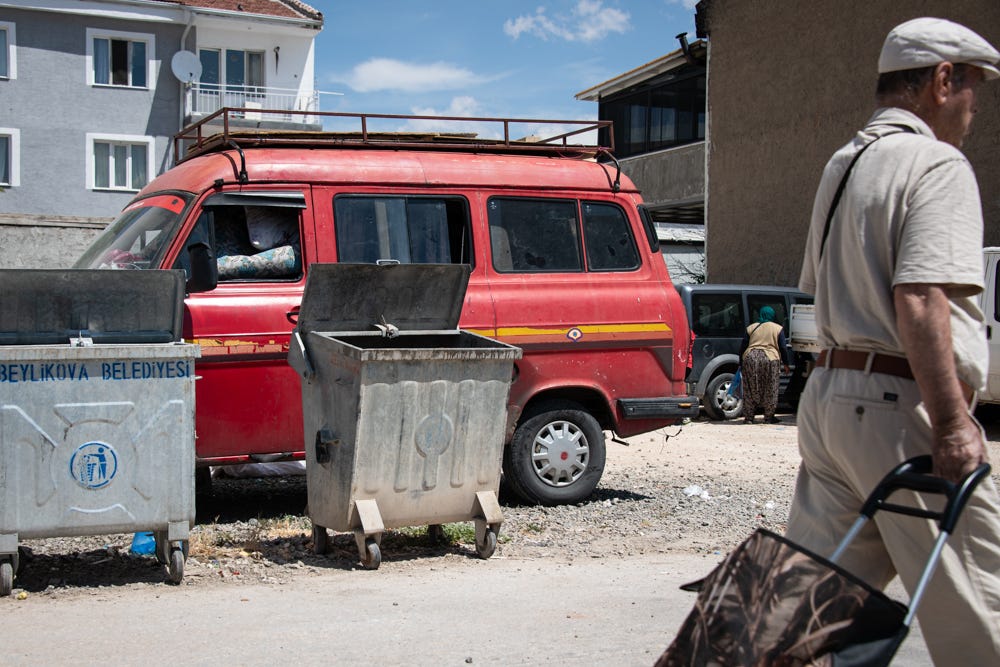
Back in Kızılcaören, Ruşan finished washing his car and smirked at the thought that Trump might be interested in the minerals beneath his feet.
“Sure, Trump wants whatever he can get,” Ruşan said. “Chinese visitors used to pass by here, too … I haven’t seen them in a while, though.”
Asked if locals might benefit from state efforts to develop the REE mines, Ruşan raised his eyebrows and waved off the premise of the question.
“They say it will bring jobs, but we know it won’t. Maybe one or two, but the rest will go to yabancılar,” he said, using the Turkish word for both foreigners and strangers from out of town.
Turkey recap is an independent, reader-supported newsletter that helps people make sense of the fast-paced Turkey news cycle. Get in touch at info@turkeyrecap.com.
Subscribe here on Substack (or on Patreon for discount options). Paid subscribers get full access to our recaps, reports, members-only chat and news tracking tools.
We are an affiliate of the Global Forum for Media Development and aim to produce balanced news that strengthens local media by supporting journalists in Turkey.
✅ Typos verify our humanity. All Turkey recap news output is created and fact-checked by people. Find our AI policy in our Code of Ethics.
Diego Cupolo, Editor-in-chief
Emily Rice Johnson, Deputy editor
Yıldız Yazıcıoğlu, Parliament correspondent
Hilmi Hacaloğlu, Political correspondent
Gözde Ocak, Stüdyo recap editor
Demet Şöhret, Social media and content manager
This article is part of a series of reports focusing on Turkey’s climate governance produced with support from the Heinrich Böll Stiftung Turkey Office, and in no way reflects the views of the Heinrich Böll Stiftung.